Napa Valley AVAs
An interactive, color-coded map of Napa Valley's 17 nested American Viticultural Areas -- the terroir, history and wineries that define each one.
 PREMIER PARTNER
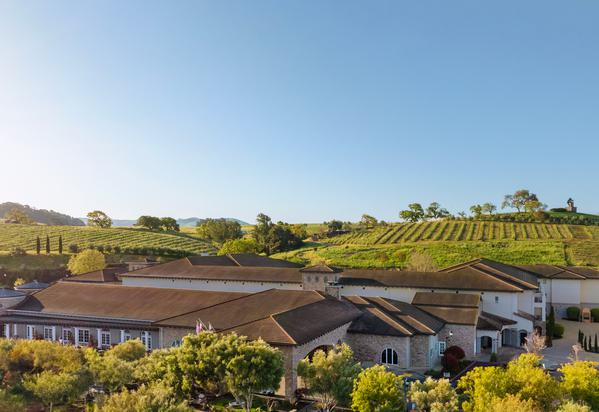
Meritage Resort
California wine country's largest resort, spanning 36 acres on Bordeaux Way with vineyard-view rooms and suites, multiple on-…
View Profile → FEATURED PARTNER
Frank Family Vineyards
A family-owned Calistoga winery on Larkmead Lane known for sparkling wine, Chardonnay, and Cabernet Sauvignon, with a histori…
View Profile → FEATURED PARTNER
Blue Diamond Jeweler
A Napa Valley jeweler on 1st Street offering custom design, engagement rings and wedding bands, watches, and estate buying, w…
View Profile → FEATURED PARTNER
Haber Family Vineyards
A family-run winery on Pine Breeze Drive in Angwin producing small-lot wines, with current and past releases, a Friends of th…
View Profile →Napa Valley AVAs
Napa Valley earned its own American Viticultural Area designation in 1981 -- California's first AVA, and only the second in the country. Since then, the TTB has carved out 17 smaller AVAs nested entirely (or in a couple of cases, partly) within it, each one drawn around a real, provable difference in climate, elevation, soil or exposure. A vineyard on the valley floor in Oakville ripens fruit under a completely different set of conditions than one a thousand feet up on Howell Mountain or tucked into the fog-cooled hills of Los Carneros -- and the boundaries on the map below exist because growers had to demonstrate exactly that difference to get them approved.
That's the practical difference between an AVA and an appellation, two terms that get used almost interchangeably but aren't quite the same thing. "Appellation" is the broader, older idea -- any officially recognized wine-growing region, a legal label of geographic origin. In the United States, "American Viticultural Area" is the specific, federally regulated category of appellation: to become an AVA, a region has to petition the Alcohol and Tobacco Tax and Trade Bureau (TTB) with evidence that its climate, soil, elevation or other physical features genuinely set it apart from the land around it, and the boundary has to be drawn to match that evidence -- not to match a town line or a property line. Every AVA is an appellation, in other words, but not every appellation is an AVA, and within Napa Valley, the AVA system is what lets a bottle say "Stags Leap District" or "Howell Mountain" instead of just "Napa Valley," a meaningfully narrower and more specific claim about where the grapes actually grew.
The AVAs of Napa Valley
Hover over a region to see it lift off the map. Click any region -- or any name in the key below -- to read about that AVA and see the wineries there.