Chiles Valley District
A remote, tucked-away valley east of Napa's main valley, largely spared by phylloxera and still planted with old vines.
 PREMIER PARTNER
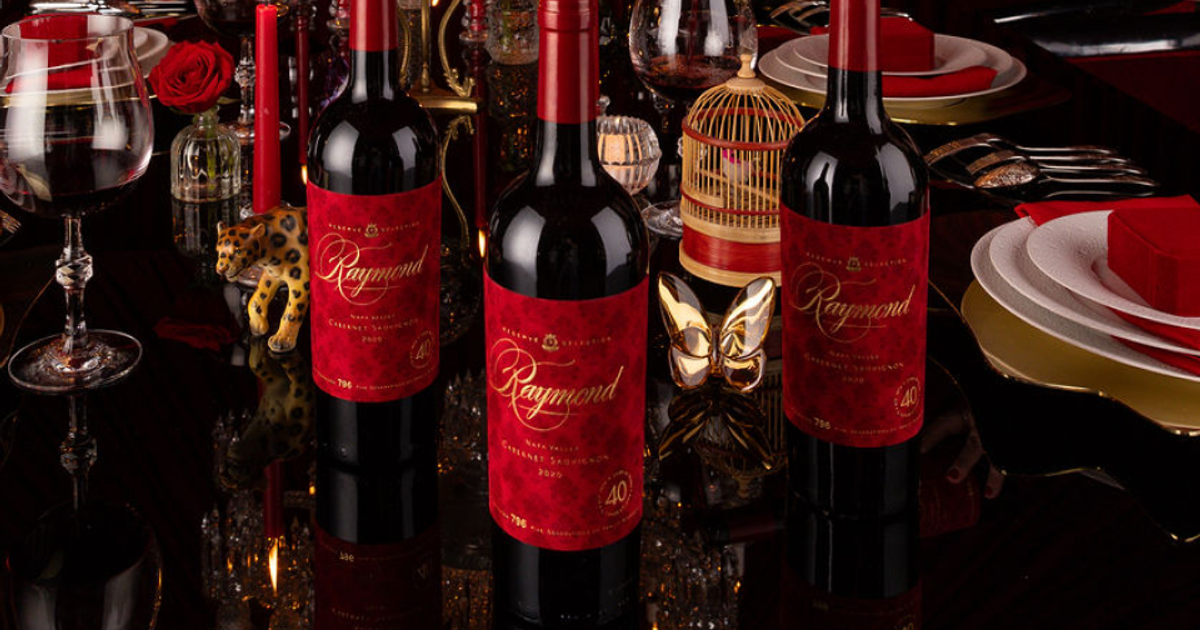
Raymond Vineyards
One of the largest biodynamic estates in Napa Valley, with more than 50 years of history producing Cabernet Sauvignon alongsi…
View Profile →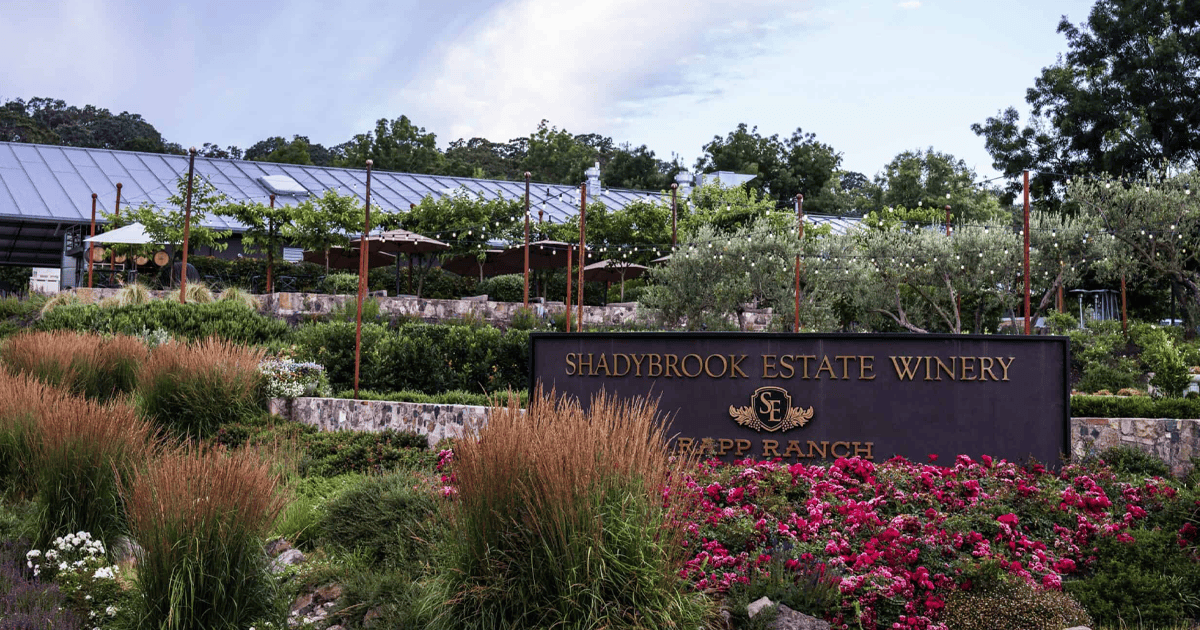 FEATURED PARTNER
Shadybrook Estate Winery
A Napa winery known for its tasting-room hospitality and estate wines, set on a hillside property along Rapp Lane just off th…
View Profile → FEATURED PARTNER
Blue Diamond Jeweler
A Napa Valley jeweler on 1st Street offering custom design, engagement rings and wedding bands, watches, and estate buying, w…
View Profile → FEATURED PARTNER
Merrill Lynch Wealth Management - The Gonzales Group
Personalized wealth management for Napa Valley families and business owners, with investment guidance, financial planning, an…
View Profile →Chiles Valley District doesn't look or feel like the rest of Napa Valley, and that's mostly a function of geography: it isn't actually in the main valley at all. Tucked into a narrow side valley east of Napa Valley proper, past Howell Mountain, Chiles Valley is a world of its own, oriented northwest to southeast and hemmed in tightly enough that the surrounding hills funnel the prevailing wind straight down its length.
The valley is named for Joseph Ballinger Chiles, who received a Mexican land grant here in 1843 and had vines in the ground by 1850 -- making this one of the older wine-growing sites in Napa County, even though the AVA itself wasn't established until 1999. That history matters more here than in most Napa AVAs, because Chiles Valley largely escaped the phylloxera epidemic that tore through Napa's vineyards in the 1980s and 90s. Old vines that would have been ripped out and replanted elsewhere in the valley are still producing fruit here.
Elevation in Chiles Valley runs from about 600 feet up to 1,700 feet on some hillside sites, and the valley floor itself sits on Tehama series silt loam -- deep, workable ground that's a real departure from the volcanic soils found in much of the surrounding hill country. Higher up, the soil shifts to decomposed chert and green serpentine, rockier and less fertile. Being tucked away from the main valley also means Chiles Valley runs noticeably cooler: summer fog arrives later here than in the wineries closer to San Pablo Bay, and winter can be genuinely cold, with temperatures occasionally dropping below 20°F. Spring frost is a real, recurring risk for growers, not just a line in a soil report.
Cabernet Sauvignon and Zinfandel are the AVA's signature grapes, with some Chardonnay and Sauvignon Blanc planted as well, and the wines tend to carry a rustic, old-vine character that's increasingly rare elsewhere in Napa. Because Chiles Valley is small, remote, and largely unknown even to people who've spent time in Napa Valley's better-traveled towns, it has stayed a quiet corner of the wine map -- more agricultural, less polished, and, for growers who value vines that have been in the ground for the better part of a century, more valuable than its size would suggest.
Facts sourced from TTB AVA establishment records; Wikipedia (https://en.wikipedia.org/wiki/Chiles_Valley_AVA)
Wineries in Chiles Valley District
- Green and Red Vineyard
- Maxville Winery
- Volker Eisele