Wild Horse Valley
Napa County's remote, sparsely planted answer to a cool-climate AVA, tucked high in the hills at the valley's southeastern edge.
 PREMIER PARTNER
Haber Family Vineyards
A family-run winery on Pine Breeze Drive in Angwin producing small-lot wines, with current and past releases, a Friends of th…
View Profile →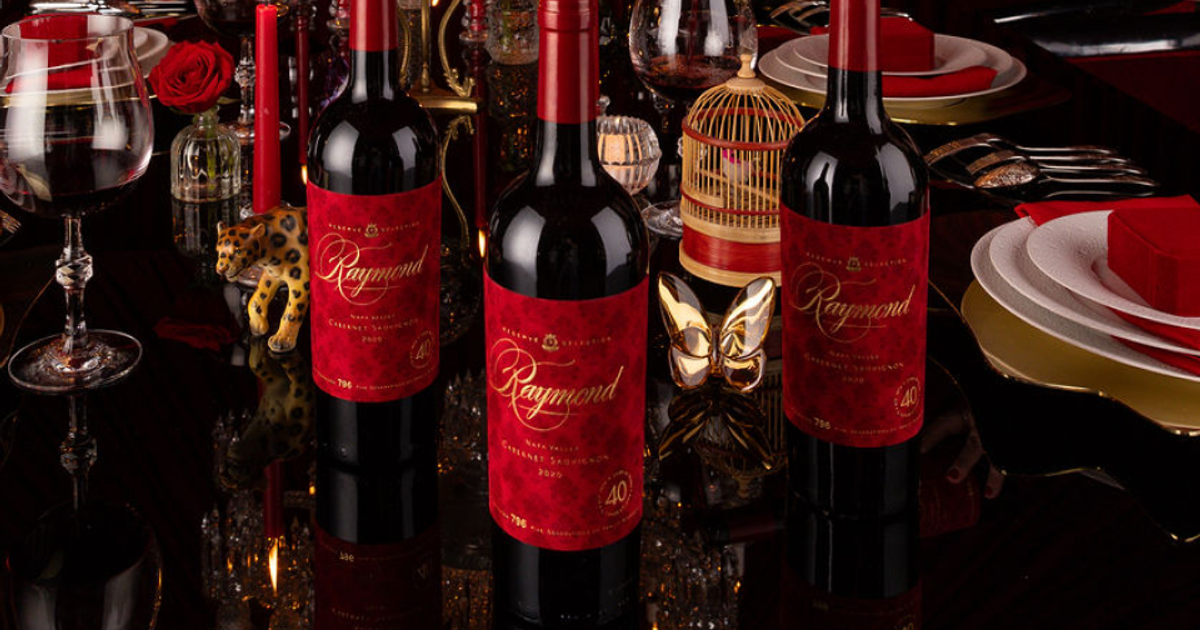 FEATURED PARTNER
Raymond Vineyards
One of the largest biodynamic estates in Napa Valley, with more than 50 years of history producing Cabernet Sauvignon alongsi…
View Profile → FEATURED PARTNER
Oakville Grocery
A Wine Country landmark on Highway 29 in Oakville since 1881, pairing a market of local provisions, wood-fired pizza, and art…
View Profile → FEATURED PARTNER
Destiny Wine Tours
Private, chauffeur-driven wine tours take visitors between Napa Valley wineries without having to handle the driving. Owner a…
View Profile →Wild Horse Valley is one of the least-known names in the Napa AVA system, and there's a simple reason for that: it's barely planted at all. Established in 1988, this high valley in the hills southeast of the main Napa Valley covers about 3,300 acres, but only a tiny fraction of that -- somewhere around 73 acres -- is actually planted to vine. It's also one of the few Napa AVAs that straddles a county line, spilling over into neighboring Solano County, and it only partially overlaps the larger Napa Valley AVA itself.
What Wild Horse Valley has instead of acreage is elevation and exposure. Sitting between roughly 1,000 and 2,000 feet, the valley runs above the marine fog layer that blankets so much of Napa Valley's lower elevations, but it's directly exposed to cool westerly wind coming off San Pablo Bay and funneling through the Carquinez Strait. The combination has earned it an unofficial nickname among some in the industry: "the Siberia of Napa Valley," for how much cooler and windier it runs than almost anywhere else in the county.
The soil is shallow, well-drained stony loam belonging to the Hambright-Toomes association -- ground that, according to soil surveys, shows up almost exclusively in mountainous upland areas like this one, distinct from anything found on the valley floor below. Combined with the wind and elevation, it's a genuinely marginal environment for grape growing in the traditional Napa sense, which is exactly why the small amount of fruit that does come off Wild Horse Valley tends toward high acidity and a distinctly cool-climate character.
Chardonnay, Pinot Noir, Riesling and Gewürztraminer are what growers have planted here, all grapes that benefit from -- or need -- a long, cool, high-acid ripening environment that the rest of Napa Valley, further down and further from the wind, simply can't offer. It's a fundamentally different style of Napa wine than the Cabernet-driven reputation the valley is built on.
Wild Horse Valley remains one of the most obscure entries on Napa's AVA map, with no real town, few wineries, and a level of anonymity that's almost unheard of for anywhere carrying the word "Napa." For growers chasing genuinely cool-climate fruit within Napa County's boundaries, though, it's one of the only places in the county built for exactly that.
Facts sourced from TTB AVA establishment records; Wikipedia (https://en.wikipedia.org/wiki/Wild_Horse_Valley_AVA)
Wineries in Wild Horse Valley
We're still building out our directory of wineries in this AVA -- check back soon.