Crystal Springs of Napa Valley
Napa's newest AVA, approved in 2024 -- a small, all-hillside stretch on the western face of the Vaca Range.
 PREMIER PARTNER
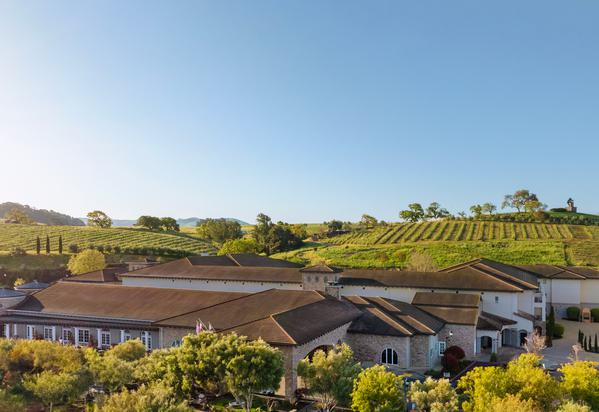
Meritage Resort
California wine country's largest resort, spanning 36 acres on Bordeaux Way with vineyard-view rooms and suites, multiple on-…
View Profile → FEATURED PARTNER
Haber Family Vineyards
A family-run winery on Pine Breeze Drive in Angwin producing small-lot wines, with current and past releases, a Friends of th…
View Profile → FEATURED PARTNER
Raymond Vineyards
One of the largest biodynamic estates in Napa Valley, with more than 50 years of history producing Cabernet Sauvignon alongsi…
View Profile →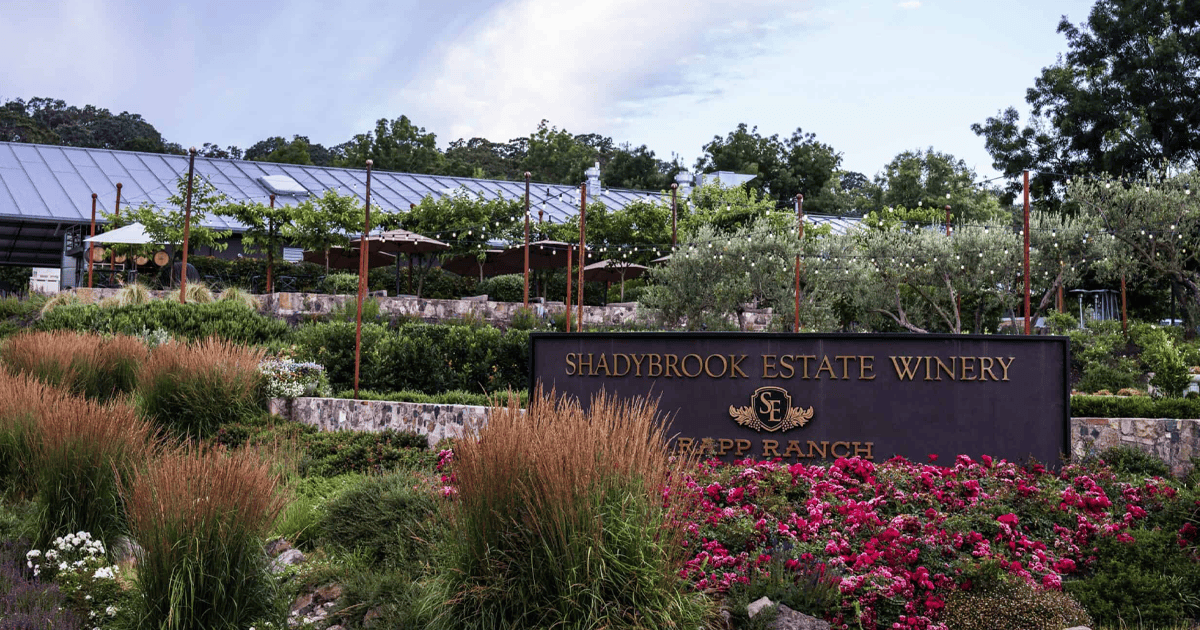 FEATURED PARTNER
Shadybrook Estate Winery
A Napa winery known for its tasting-room hospitality and estate wines, set on a hillside property along Rapp Lane just off th…
View Profile →Crystal Springs of Napa Valley is the newest name on the map -- the first new Napa AVA since Coombsville in 2011, and Napa County's 19th overall. It's small even by Napa standards, just over 4,100 acres tucked into the western face of the Vaca Range, and unlike most of the valley's other AVAs, there isn't a flat acre in it. Every vineyard here sits on a hillside, most at 15 to 40 percent grade.
The boundary runs from about 400 feet at its southern edge up to 1,400 feet at the north, a range chosen deliberately: below roughly 1,400 feet, this stretch of mountain sits below the point where adiabatic cooling -- the same downslope airflow that causes frost risk lower in the valley -- becomes a problem. The result is a frost-free pocket of hillside where cold air drains away rather than settling, shaded by afternoon sun and cooled by breeze rather than fog.
Underneath, the soil is entirely volcanic: weathered igneous, metamorphic and sedimentary rock, including tuff and occasional obsidian, sitting in a thin layer over exposed parent rock. There's essentially no topsoil to speak of in most places, which is part of the point -- vines here don't have the option of coasting on rich, deep ground.
The AVA's creation in 2024 also cleaned up a boundary problem next door: about 11 acres belonging to Crystal Springs Vineyard had been sitting inside the neighboring Calistoga AVA despite being geologically and stylistically part of this hillside terroir, so the new AVA's approval came paired with a small adjustment to Calistoga's boundary to resolve the overlap. It's a technical footnote, but it says something about how precisely these boundaries get drawn -- not by road or by town, but by soil, slope and elevation.
Cabernet Sauvignon leads what's planted here, alongside Cabernet Franc, Merlot, Malbec and some Sauvignon Blanc, and because the AVA is so new and so small, there isn't yet a long track record of wines carrying its name on the label. What growers here are betting on is the site itself: steep, volcanic, frost-free hillside that behaves more like a mountain AVA than anything on the valley floor below it. Crystal Springs of Napa Valley is a reminder that Napa's AVA map still has room to grow -- not by expanding outward, but by recognizing terroir that was always there, waiting for a name.
Facts sourced from TTB AVA establishment records; Wikipedia (https://en.wikipedia.org/wiki/Crystal_Springs_of_Napa_Valley_AVA)
Wineries in Crystal Springs of Napa Valley
- Andrew Lane Wines
- Arns Winery
- Broman Cellars
- Burgess Cellars
- Viader Vineyards & Winery