Spring Mountain District
A cool, wet mountain AVA above St. Helena, where fog spills over the ridge from the coast.
 PREMIER PARTNER
Frank Family Vineyards
A family-owned Calistoga winery on Larkmead Lane known for sparkling wine, Chardonnay, and Cabernet Sauvignon, with a histori…
View Profile → FEATURED PARTNER
Haber Family Vineyards
A family-run winery on Pine Breeze Drive in Angwin producing small-lot wines, with current and past releases, a Friends of th…
View Profile →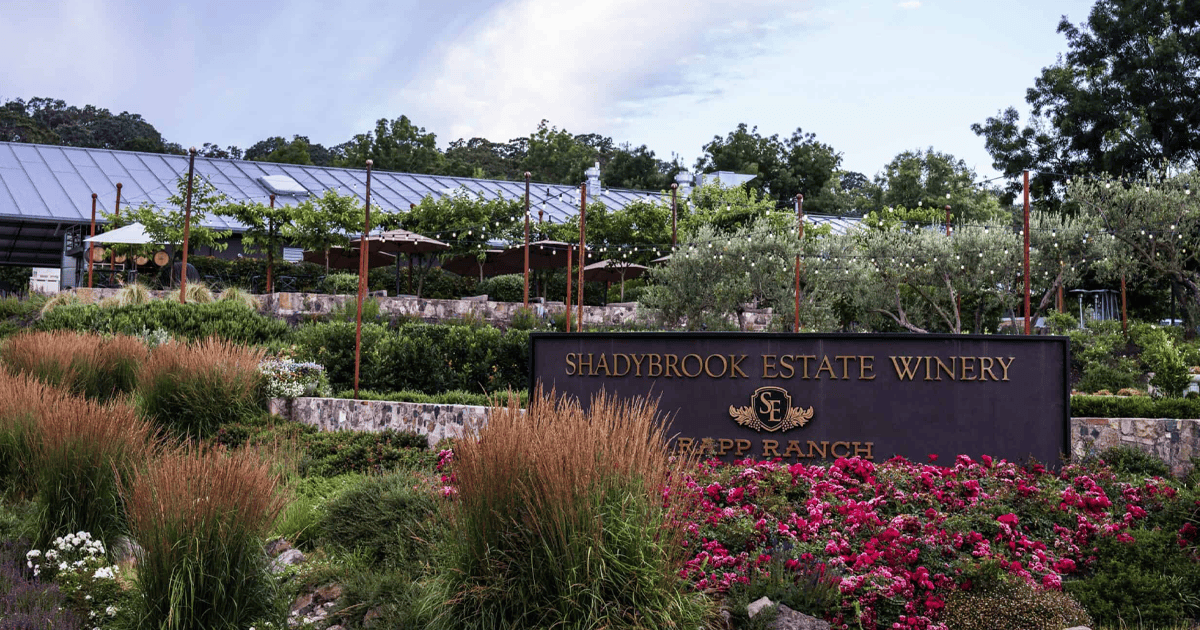 FEATURED PARTNER
Shadybrook Estate Winery
A Napa winery known for its tasting-room hospitality and estate wines, set on a hillside property along Rapp Lane just off th…
View Profile → FEATURED PARTNER
Deborah Hanson - Realty ONE Group Fox
A real estate agent with Realty ONE Group Fox serving Napa, Sonoma, and Solano counties, helping buyers and sellers navigate …
View Profile →Spring Mountain District climbs the Mayacamas range directly above the town of St. Helena, and despite sitting on the same general mountain wall as Diamond Mountain to the north and Mount Veeder to the south, it has a genuinely different climate story to tell. Established in 1993, Spring Mountain is, by most measures, the coolest and wettest AVA in all of Napa Valley -- a distinction that traces back to a gap in the coastal hills more than fifty miles away.
Cool marine air off the Pacific finds its way inland through an opening in the hills near Bodega Bay and Tomales Bay, and by the time it reaches the ridge above Spring Mountain, it spills over the top and down into the AVA almost like a waterfall of fog. That's not a metaphor growers here use loosely -- it's a fairly literal description of how coastal moisture arrives on this particular mountainside, and it's part of why Spring Mountain sees annual precipitation that can run from about 37 inches on its lower, valley-adjacent ground up to 70 or even 95 inches on its highest slopes.
The soil underneath is a roughly even split between Franciscan sedimentary rock and Sonoma volcanic formations, mostly andesite -- a genuinely mixed geological inheritance that gives different Spring Mountain vineyards noticeably different character depending on which formation they happen to sit on. Elevation runs from about 400 feet up to 2,600 feet, and most vineyards face east, catching morning sun while getting some relief from the harshest afternoon heat.
Roughly 90 percent of what's planted on Spring Mountain is red grapes, led by Cabernet Sauvignon and Merlot, with Zinfandel, Syrah and Pinot Noir filling in cooler sites, plus a little Chardonnay and Sauvignon Blanc among the whites. Given how wet and cool the AVA runs relative to the rest of Napa, that heavy lean toward Cabernet might seem surprising -- but the combination of good drainage on steep terrain and long, gradual ripening produced by the cooler climate tends to produce wines with real structure and aging potential, even if they take longer to get there than fruit from warmer sites down on the valley floor.
Spring Mountain remains a working mountain AVA more than a destination -- narrow roads, steep driveways, and vineyards genuinely earned rather than convenient. For growers willing to farm through the wettest, foggiest conditions in Napa Valley, the reward is fruit with a cooler, more restrained character than almost anywhere else in the county.
Facts sourced from TTB AVA establishment records; Wikipedia (https://en.wikipedia.org/wiki/Spring_Mountain_District_AVA)
Wineries in Spring Mountain District
- Andesite Vineyard
- Barnett Vineyards
- Fantesca Estate & Winery
- Guilliams Vineyards
- Juslyn Vineyards
- Keenan Winery
- Paloma Vineyard
- Philip Togni Vineyard Cabernet
- Pride Mountain Vineyards
- Ritchie Creek Vineyard
- Robert Keenan Winery
- School House Vineyard
- Schweiger Vineyards, Inc.
- Sherwin Family Vineyards
- Smith-Madrone Winery
- Spring Mountain Vineyard