


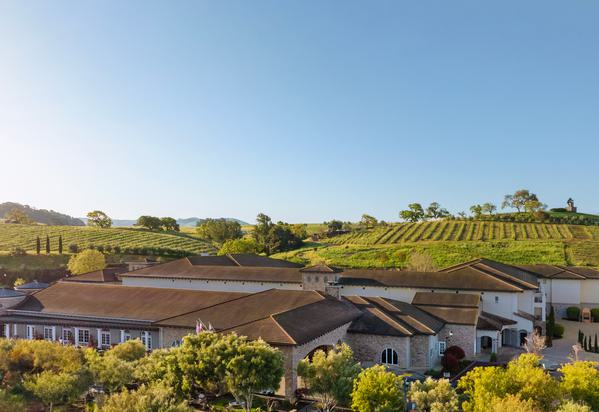

Setting in Wine Country
Napa is the largest city in Napa County and serves as the county seat. It is in the North Bay region of the Bay Area and is one of the principal cities of Wine Country in Northern California.
The Napa River passes through the city on its way to San Pablo Bay. Napa was the first California location included in the North Coast American Viticultural Area, and the city is known as a tourist destination for wineries, restaurants, and arts culture.
Name and Early History
The origin of the name Napa is disputed. It is of Native American derivation and has been translated in several ways, including “grizzly bear,” “house,” “motherland,” and “fish. One explanation links it to the Patwin word napo, meaning “house. The name was once spelled Nappa before the present spelling came into use.
At the time of the first recorded exploration into Napa Valley in 1823, most inhabitants were Native Americans. American settlers began arriving in the area in the 1830s. The City of Napa was founded by Nathan Coombs in 1847 and incorporated in 1872.
A River Town and Commercial Center
The first recorded ship to navigate the river was the Susana in 1842, and the Dolphin became the first passenger steamship on the Napa River in 1850.
By the dawn of the 20th century, Napa had become the primary business and economic center of the valley. Light industry, banking, commercial activity, and retail activity developed in the city and, in earlier years, along the Napa River through the historic downtown.
Industry, Arts, and Local Institutions
John Patchett opened the county’s first commercial winery in 1859. The Sawyer Tanning Company was established in Napa in 1869, and Napa leather was invented there in 1875 by Emanuel Manasse while he worked for the company.
The Napa Valley Opera House debuted in 1880 with a production of Gilbert and Sullivan’s HMS Pinafore, later closed for many years, and was reestablished in the 1980s. The Napa State Hospital received its first patients in 1876.
Downtown, Flooding, and Climate
Lake Hennessey was created in 1948 as a water conservation reservoir, but flooding continued.
Napa has a Mediterranean climate, with cool, damp winters and warm, dry summers. Wildfires can be a problem in summer, flooding can be a problem in winter, and snow is rare.
What it is like
Napa is a city on the banks of the Napa River and the county seat for one of the world’s Great Wine Capitals. Founded in 1847, it has shifted from tanneries, prune processing and heavy industrial jobs to a tourism-based economy known for hospitality, fine food and luxury hotels. Napa is associated with prestigious vineyards, Downtown Napa and the Oxbow District have more than 50 wine bars and/or tasting rooms, and Napa County has approximately 475 wineries.
Homes and housing
The City Council adopted Napa’s 2023-2031 Housing Element on October 17, 2023, and HCD certified it on December 5, 2023; it describes housing needs and strategies and is part of the General Plan guiding physical growth and development. The City Council adopted the Downtown Specific Plan in 2012 as a framework for a vibrant, healthy, balanced pedestrian-oriented city center, with land use designations, zoning districts, design guidelines, and Historic Design Guidelines.
Sources: Napa, California (Wikipedia, CC BY-SA); cityofnapa.org; cityofnapa.org