


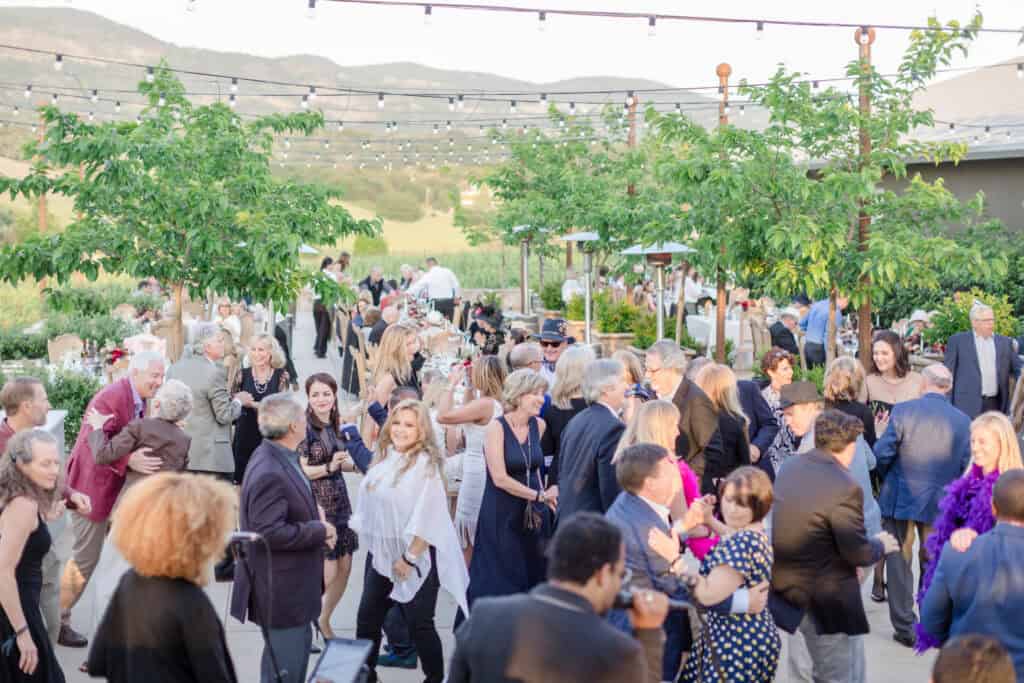

Setting in Upper Napa Valley
Calistoga is a city in Napa County in the North Bay region of the San Francisco Bay Area. The city covers 2.6 square miles, with nearly all of that area on land, and it had a population of 5,228 in the 2020 census.
The city is at the north end of the Napa Valley Calistoga AVA, within California’s Wine Country. Only two-lane roads lead into Calistoga, including the portions of Highway 29 and Highway 128 that pass through the city, and fast-food franchises are banned by law.
Wappo Villages and Early Settlement
The Upper Napa Valley was home to a significant Wappo population during the Spanish colonial era. In the Calistoga area, oak trees supplied acorns as a staple food, and natural hot springs served as a healing ground. The Wappo name for Calistoga was Nilektsonoma, meaning “Chicken Hawk Place.”
After Mexican independence, mission properties were secularized, and much of Napa Valley was divided into large ranchos in the 1830s and 1840s. The first Anglo settlers began arriving in the 1840s, with several taking land in the Calistoga area.
Hot Springs and the Railroad
Samuel Brannan bought more than 2,000 acres in the area with plans for a spa inspired by Saratoga Springs in New York. His hot springs resort around Mt. Lincoln opened in 1862, with the spa and hotel located at what is now Indian Springs Resort and Brannan Cottage Inn.
The name Calistoga was given in 1867 and has been linked to a reported slip of the tongue turning “Saratoga of California” into “Calistoga of Sarafornia. The place had earlier been called Hot Springs by Americans and Agua Caliente by Spaniards and Indians. The railroad reached Calistoga in 1868, helping establish the town as a visitor destination and a transportation hub for the upper Napa Valley.
Economy and Visitor Features
Calistoga’s economy has been tied to mining, agriculture, and tourism.
Today, Calistoga remains a Wine Country destination because of its vineyards and historic landmarks. The city is known for hot springs spas, including Calistoga Spa Hot Springs, and for mud baths using hot volcanic ash. Nearby, an artificial geothermal geyser called the “Old Faithful of California” or “Little Old Faithful” erupts from a well casing drilled in the late 19th century.
Climate and Recent Fire History
Calistoga has a hot-summer Mediterranean climate. Winters are cool and wet, while summers are usually very dry, with warm days and cool nights.
The Tubbs Fire began off Highway 128 and Bennett Lane in Calistoga in 2017 and led to the evacuation of almost the entire city. In 2020, the Glass Fire forced another city evacuation. In 2024, PG&E funded the Calistoga Resiliency Center, a microgrid with six hydrogen fuel cells designed to provide power to the city for at least 48 hours.
What it is like
Calistoga is at the northernmost tip of Napa Valley, at the base of Mount Saint Helena, 75 miles from San Francisco. It has relaxed charm and a classic, easygoing, outdoorsy character, with Lincoln Avenue lined with shops, tasting rooms and eateries.
Homes and housing
Calistoga’s buildings include authentic Victorian architecture and Sam Brannan’s original resort cottages, including Brannan Cottage Inn. Brannan bought 2,000 acres in 1859 to develop a spa; the resort opened in 1862, and after the railroad was completed in 1868 Calistoga became a destination and upper Napa Valley transportation hub. California Historical Resources listings in Calistoga include Sam Brannan Cottage, James H. Francis House, Judge Augustus C. Palmer House, Mount View Hotel and Napa Valley Railroad Depot; in 2001 the National Trust named Calistoga a “Distinctive Destination.”
Sources: Calistoga, California (Wikipedia, CC BY-SA); visitnapavalley.com; visitcalistoga.com