

What it is like
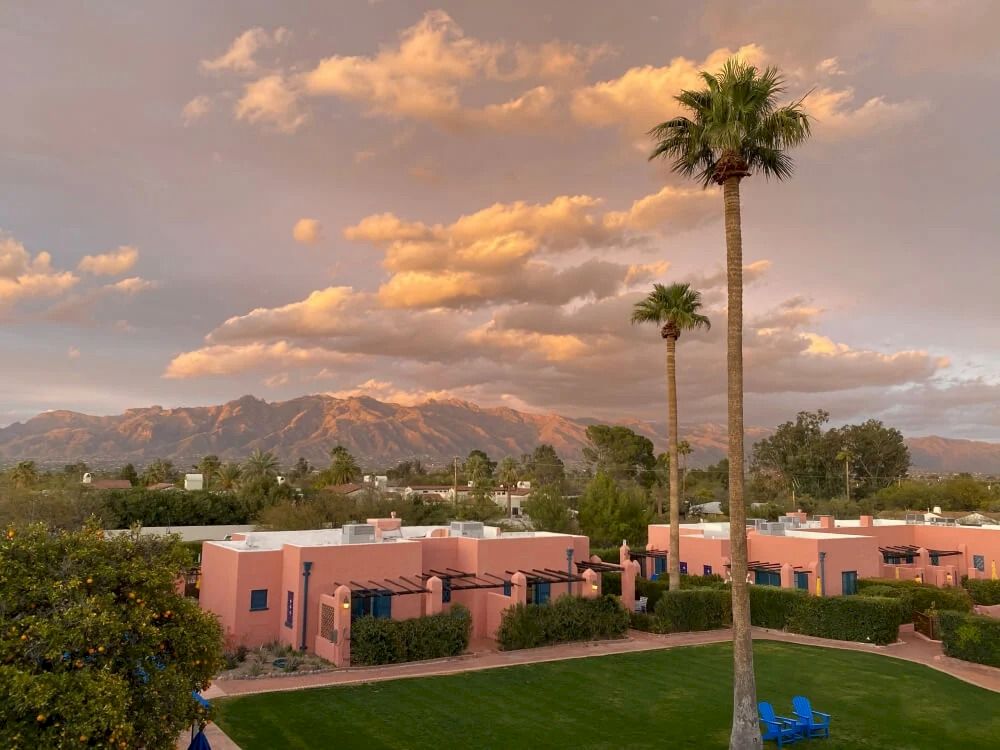
Civano is a planned community in southeast Tucson, built on state trust land southeast of Houghton and Irvington Roads. The stored data puts it in ZIP code 85747 and the Vail Unified School District. Its stated goal, in one of the planners' own papers, was to show that sustainable community development could be marketable on a large scale at affordable prices. The Congress for the New Urbanism describes the architecture as inspired by Southwestern vernacular styles, with a range of public spaces from tot lots to a 2-acre park, a trail network and preserved open space. The homeowners association site for the first neighborhood describes walkable streets, water-conscious landscaping and energy-minded design as the idea behind the place.
From solar village to Civano
It started in the 1970s, after the Arab oil crisis, when Arizonans saw a chance to build what they first called a solar village. According to engineer Al Nichols, a group led by the Metropolitan Energy Commission got a commitment from the Arizona Energy Office to fund the planning and design of a prototype community. The idea grew to cover water conservation, waste reduction and lower air pollution. The city set aggressive targets for energy use, water use, solid waste and transportation, and the zoning was modified to support the project. Planning came together in 1996. Vice President Al Gore spoke at the grand opening in April 1999.
What actually got built
Civano was meant to be three neighborhoods, and the record is mixed. Only the first was built as planned. In 2003 the national builder Pulte Homes bought the last two and switched them to conventional suburban design. The Congress for the New Urbanism says that makes Civano a kind of laboratory, with one neighborhood built as planned, another with green features but a conventional layout, and a third entirely conventional. A 2018 UCLA study found the first neighborhood lowers temperatures compared with conventional development, and even compared with the surrounding desert. The same group says buildings in Civano use about half the energy typical of residential and commercial buildings. A 2019 CNU piece adds that the later neighborhoods did worse on social and environmental benchmarks, and a 2012 report it cites showed poor sales in them.
A note on size
Published figures for Civano's size and number of homes vary from source to source, so this page does not give them. If you are shopping for a home here, check which of the three neighborhoods an address falls in, since the design differs.
Sources: Civano I Neighborhood I Homeowners Association; Civano New Town (Congress for the New Urbanism); Civano: A 'cool' community (CNU Public Square, Sept. 13, 2019); Tucson, Civano, and the Sustainable Energy Standard (Strategic Planning for Energy and the Environment)