

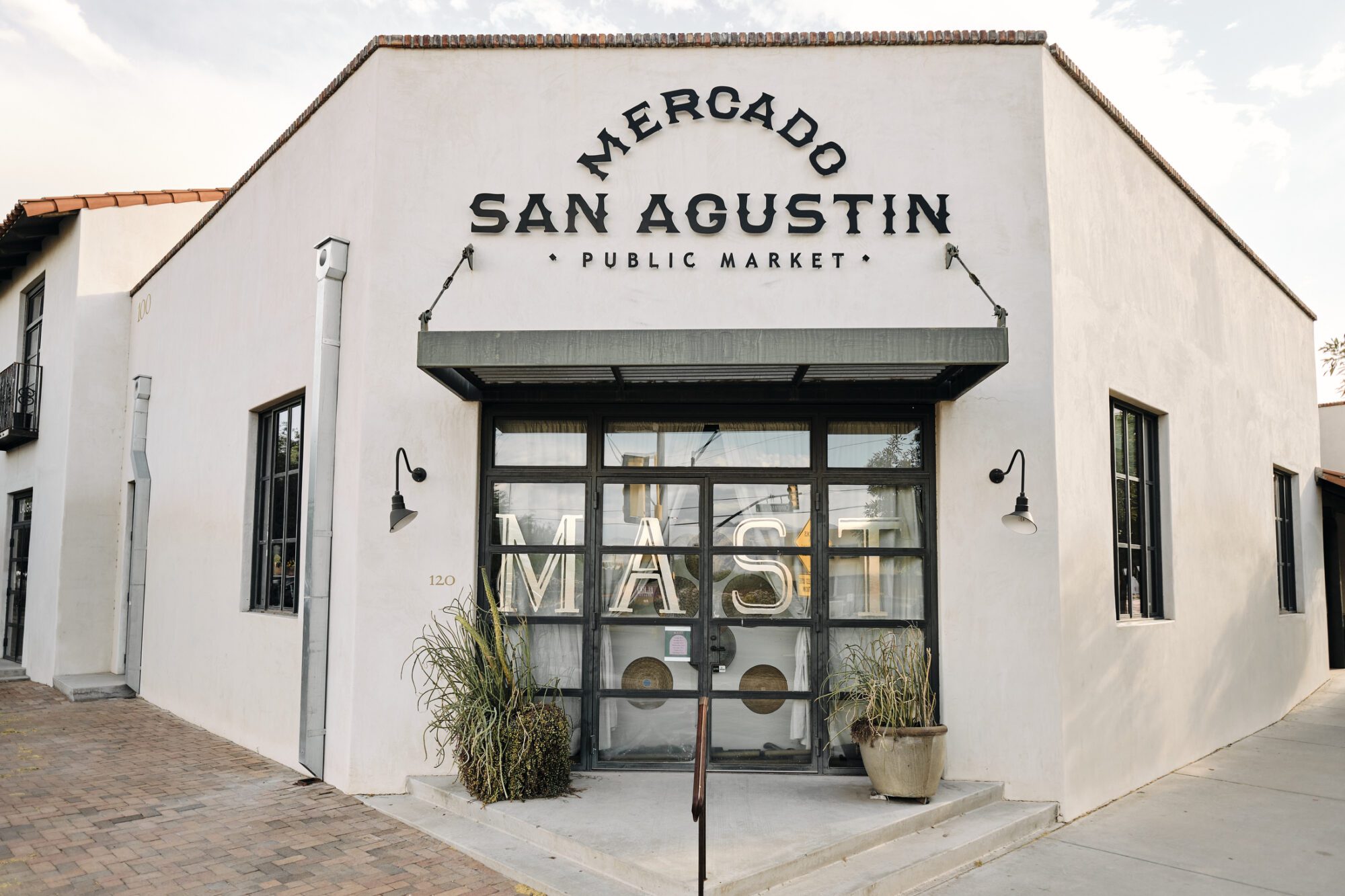


Setting in the Tucson Area
Tucson is the county seat of Pima County and the biggest city in it. It sits on an alluvial plain in the Sonoran Desert, "surrounded by five minor ranges of mountains," and it was built along the Santa Cruz River, which used to run all year. The Mexican border is about 60 miles south. Interstate 10 runs through town, and Interstate 19 starts here and runs south to Nogales. Oro Valley and Marana are the big suburbs to the northwest. Mt. Lemmon is 25 miles north of the city by the Catalina Highway.
History and landmarks
People lived here long before there was a city. The groups known as the Hohokam were in the area from AD 600 to 1450, and the name Tucson is a Spanish version of an O'odham word for the place. The Spanish authorized the Presidio San Agustin del Tucson in 1775, and the Tucson Presidio Trust dates the founding to August 20, 1775. The fort reached about 11 acres at its largest, in what is now downtown and stayed in use "until the Americans entered Tucson in March 1856." Its museum today is in the Siqueiros-Jacome House at 196 N. Court Avenue. Tucson was the capital of the Arizona Territory from 1867 to 1877, and in 1885 the territorial legislature founded the University of Arizona as a land-grant college.
Downtown is split into the Presidio District, Barrio Viejo and other districts. Mission San Xavier del Bac was founded in 1700. Saguaro National Park is in two pieces, one "to the east and west of the modern city of Tucson." In 2015 UNESCO named Tucson a City of Gastronomy, the first in the United States. Fourth Avenue, near the university, is lined with shops, restaurants and bars, and the Sun Link streetcar runs between campus and Fourth Avenue. Tucson also hosts one of the largest gem and mineral shows in the world, held for more than 50 years.
Work, school and getting around
The University of Arizona is the city's largest employer, and the university reports more than $1 billion in annual research activity. Davis-Monthan Air Force Base, about five miles southeast of downtown, is the other big anchor. The 355th Wing is the host unit, and the base is home to the 309th Aerospace Maintenance and Regeneration Group, the aircraft boneyard where more than 4,000 military aircraft are parked. Pima Community College has ten campuses.
The Tucson Unified School District is the main district inside the city, and it has the second highest enrollment of any school district in Arizona. Sunnyside Unified and Vail Unified also serve parts of the city. Sun Tran buses and the Sun Link streetcar are run through the city's transit division, which says fares are currently waived. Amtrak stops in Tucson three times a week in each direction, and the airport is on South Tucson Boulevard. The 2024 American Community Survey puts the average commute at 21.9 minutes, and only 2.3% of workers take transit to work.
The city's Parks and Recreation department is responsible for 134 parks, 18 recreation centers and 20 swimming pools, plus 10 splash pads, five city-owned public golf courses and the Reid Park Zoo. The Pima County Public Library, not the city, runs the library branches.
What it is like
Tucson is young for a city this size. The 2024 American Community Survey counts about 547,000 residents with a median age of 34.6, and the university is a big reason. About 19.3% of residents are under 18 and 16.2% are 65 or older. Households are small, averaging 2.3 people. Hispanic residents make up 42.8% of the city, which fits a place that sits 60 miles from the border and was settled under Spain. About 31.1% of residents hold a bachelor's degree, and the 2024 ACS puts the poverty rate at 18.9%. Median household income is $57,073.
Homes and housing
Tucson is a city of renters and owners in nearly equal numbers: 51.8% of households own their home, according to the 2024 American Community Survey. The median home value is $266,200 and the median rent is $1,145. The median home was built in 1979, so the housing stock is older than in the newer suburbs on the edges of the metro area. The ACS counts about 247,800 housing units and 228,000 households, with a vacancy rate of 8.0%.
Sources: Tucson, Arizona (Wikipedia, CC BY-SA); Davis-Monthan Air Force Base (Wikipedia, CC BY-SA); Saguaro National Park, National Park Service; About the University of Arizona; The Original Presidio San Agustin del Tucson, Tucson Presidio Trust; Visit Tucson; Parks and Recreation, City of Tucson; Transit Services Division, City of Tucson; Pima County Public Library; Tucson International Airport; U.S. Census Bureau, American Community Survey 2024