

What it is
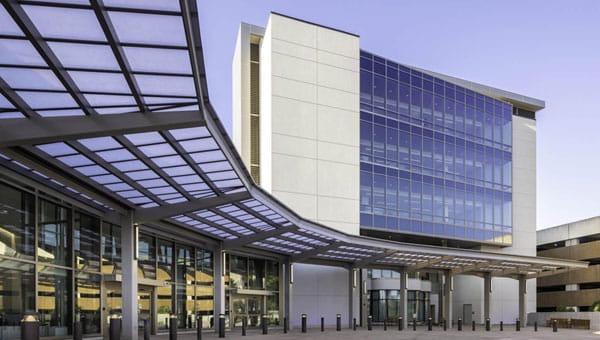
Downtown Tampa is the city's central business district, and Wikipedia calls it the chief financial district of the Tampa Bay Area. It sits on the east bank of the Hillsborough River, with Interstate 275 along the north edge, Channelside to the east, and Harbour Island and Davis Islands to the south. The Tampa Downtown Partnership runs the city's Special Services District under an annual contract with the City of Tampa. Besides its downtown ambassadors and clean team, it handles marketing, planning and public-space projects.
Where the town started
The U.S. Army built Fort Brooke here in 1824, during the First Seminole War, and the National Park Service's register paperwork says the small town of Tampa grew up around the fort. Hillsborough County was created in 1834 and Tampa became the county seat. Wikipedia puts the old fort at the southern end of downtown, near the mouth of the river. The railroad came later. Henry B. Plant brought it to Tampa in 1884, tying downtown to the rest of the East Coast and to the steamships at Port Tampa. Across the river, Plant built the Tampa Bay Hotel between 1888 and 1891. In the Spanish-American War it served as headquarters for the Army officers planning the invasion of Cuba. Today part of it is the University of Tampa and the south wing is the Henry B. Plant Museum.
Along the river
The Tampa Riverwalk is the thread that ties the waterfront together. The city's own Riverwalk page lists four parks on it (Cotanchobee Park, Curtis Hixon Waterfront Park, Julian B. Lane Riverfront Park and Water Works Park) and four museums (the Glazer Children's Museum, the Henry B. Plant Museum, the Tampa Bay History Center and the Tampa Museum of Art). The History Center has been in a 60,000-square-foot building on the Riverwalk since 2009, and its galleries cover 12,000 years of Florida history. The Tampa Museum of Art built a new home in Curtis Hixon Waterfront Park, designed by Stanley Saitowitz, which opened in 2010. Wikipedia adds that the Straz Center for the Performing Arts sits on a nine-acre site on the river's east bank.
Away from the water, the Tampa Theatre at 711 Franklin Street is the building to look at. The National Park Service nomination describes a ten-story brick and tile movie theater and office building designed by John Eberson and constructed in 1925. It went on the National Register of Historic Places on January 3, 1978.
Getting around
The TECO Line Streetcar runs 2.7 miles from downtown through the Channel District to Ybor City, using replica cars of the original Tampa line. The original system carried almost 24 million passengers in 1926 and stopped in August 1946. The new one is short, but it links three neighborhoods that are otherwise a long walk apart.
Sources: Downtown Tampa (Wikipedia, CC BY-SA); Tampa Downtown Partnership; Seminole Heights Residential District, National Register nomination form (National Park Service) - used for the Fort Brooke and county-seat history; Tampa Bay Hotel (National Park Service); Henry B. Plant Museum - History; Tampa Riverwalk (City of Tampa); About the Tampa Bay History Center; About the Tampa Museum of Art; Tampa Theater and Office Building, National Register nomination form (National Park Service); TECO Line Streetcar System (HART)