


What it is like
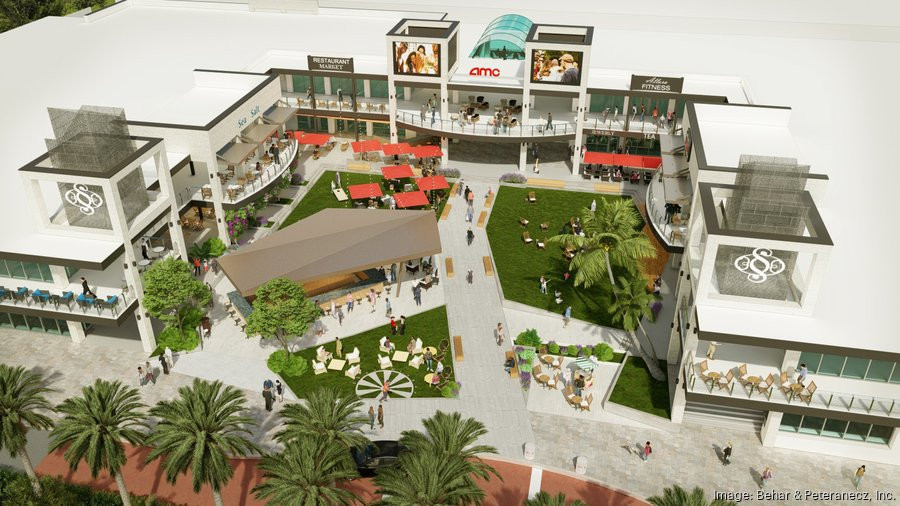
Downtown St. Petersburg is the city's central business district, and its identity is the water. Wikipedia describes it as the place with "residential and commercial skyscrapers, art galleries, museums, and parks," and says the downtown perimeter has several parks, most of them waterfront or lakefront. Two schools add to the mix: the same article lists the campus of the University of South Florida St. Petersburg and a downtown branch of St. Petersburg College. The city's own history page says downtown became home to "a growing number of students and an Innovation District."
History
St. Petersburg is young. The city says John Constantine Williams of Detroit bought waterfront land in 1875 and later transferred part of it to Peter Demens, an exiled Russian aristocrat who extended the Orange Belt Railroad to the settlement in exchange. The first train arrived in 1888, the "town" was incorporated on February 29, 1892, and it became a city in 1903.
The waterfront has been the main event from the start. The first pier, built in 1889 by Demens, was the Railroad Pier, which "extended a half-mile into Tampa Bay from the foot of 1st Ave S." On January 1, 1914, Tony Jannus took off from the Central Yacht Basin by the Municipal Recreation Pier and flew across the bay to Tampa, the first flight of the world's first airline. The Million Dollar Pier opened in 1926 in the Mediterranean Revival style and was demolished in 1967. The Inverted Pyramid, which opened in 1973, closed in 2013, and the new 26-acre Pier District opened on July 6, 2020.
Other downtown landmarks have their own dates. The city says its first library opened along Mirror Lake in December 1915 and is still in operation. In the 1950s the city added a municipal marina, the main library, the Bayfront Center and the Museum of Fine Arts, and St. Peter's Episcopal Cathedral, built in 1899 in the Gothic Revival style, is among the oldest structures downtown.
The waterfront and its museums
The Pier District is a public waterfront space more than a single attraction. Its own site lists a playground, a splash pad, a fishing deck, Spa Beach, the St. Petersburg Museum of History and the Tampa Bay Watch Discovery Center, and says Spa Beach is an easy walk "from anywhere along St. Pete's waterfront."
The Museum of Fine Arts, at 255 Beach Drive NE, opened to the public in 1965, "the first art museum in St. Petersburg located on the downtown waterfront." The Mahaffey Theater, at 400 First Street South, first opened in May 1965 as part of the Bayfront Center. Straub Park, nearly half a mile long, runs along the water. The city counts a relocated Salvador Dalí Museum, a glass collection and an international mural festival among the reasons St. Pete earned its reputation as a City of the Arts.
Getting around
Wikipedia says Interstates 175 and 375 branch off I-275 into the southern and northern areas of downtown. Downtown also fills up with events: the Saturday Morning Market meets in the Al Lang Stadium parking area from October to May, and the annual Grand Prix of St. Petersburg uses downtown streets past the marina and part of Albert Whitted Airport.
Sources: St. Petersburg, Florida (Wikipedia, CC BY-SA); History of St. Pete (City of St. Petersburg); Visit the Pier and Pier history (The St. Pete Pier); About (Museum of Fine Arts, St. Petersburg); About (Mahaffey Theater); Mahaffey Theater (Wikipedia, CC BY-SA)