

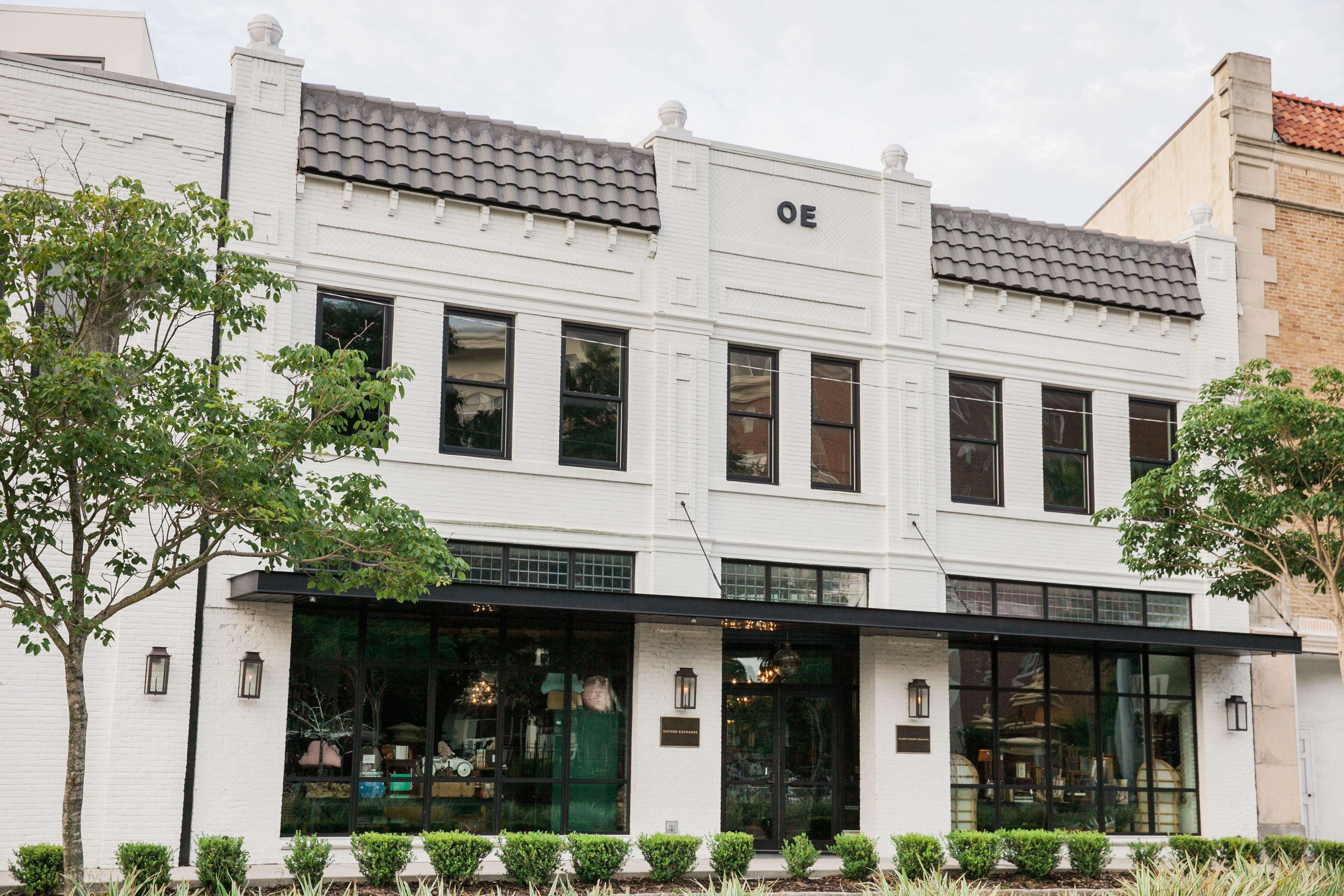


Setting in Tampa Bay
St. Petersburg sits on the Pinellas peninsula, between Tampa Bay and the Gulf of Mexico. Locals call it St. Pete. It is the biggest city on the peninsula, and the water decides most of what it looks like: a downtown that opens onto the bay, a waterfront park system that runs for about seven miles, and bridges to Tampa and to Bradenton. The Gandy Bridge, which opened in 1924, cut the drive to Tampa from 43 miles to 19, and the Sunshine Skyway carries Interstate 275 across the mouth of the bay to Bradenton.
History and landmarks
The city's own history page tells it plainly. In 1875 John Constantine Williams of Detroit bought 2,500 acres of waterfront land that would become St. Petersburg. Thirteen years later he transferred part of it to Peter Demens, an exiled Russian aristocrat, and in exchange Demens ran the Orange Belt Railroad to Williams's settlement. The first train arrived in 1888. Legend says the two flipped a coin for the right to name the town, and Demens named it for Saint Petersburg, Russia. It was incorporated as a town on February 29, 1892 and reincorporated as a city in 1903.
The city grew on tourism and winter residents. Baseball spring training began here in 1914, the same year Tony Jannus flew across the bay, an event often called the birth of commercial aviation. The Gandy Bridge and the 1920s boom followed, and City Hall, built with New Deal money in 1939, is still in use. During World War II more than 100,000 trainees filled the city's hotels.
The Black history of the city is easy to miss and shouldn't be. The first Black settlers, John Donaldson and Anna Germain, arrived in 1868, and the Orange Belt brought Black railroad workers who founded Peppertown and other neighborhoods. In the 1960s the Deuces, around 22nd Street South, had more than 100 Black-owned businesses, entertainment spots and offices. The city's African American Heritage Trail has nineteen markers and two self-guided walks that start at the Dr. Carter G. Woodson Museum.
For landmarks: the Dali Museum holds the largest collection of Dali's work outside Europe, the St. Pete Pier is a 26-acre waterfront park that opened in 2020 on the site of the older pier, and the Vinoy Park Hotel faces the bay on the National Register of Historic Places. The city counts seven distinct arts districts, from the Waterfront Museum District to the Warehouse Arts District, where the Pinellas Trail runs through.
Work, school and getting around
The downtown core holds the central business district and a growing number of start-ups, and the city says expansion of USF St. Petersburg and a St. Petersburg College campus made downtown home to a growing number of students and an Innovation District. Eckerd College, a private liberal arts college, was founded here in 1958. Public schools are run by Pinellas County Schools, the same district that serves Largo and Pinellas Park, and its own site lists St. Petersburg High School and Gibbs High among its schools.
For getting around, PSTA runs the SunRunner, a bus rapid transit line between downtown and St. Pete Beach, and the city points visitors to the Downtown Looper Central Avenue Trolley as well. Tampa International Airport, across the bay, handles most air travel.
What it is like
St. Petersburg is a big city with a middle-aged feel. The 2024 American Community Survey counts 262,732 residents, with a median age of 43.1. Households are small, averaging 2.1 people, and 16.1% of residents are under 18 while 21.1% are 65 or older. About 9.6% are Hispanic. St. Petersburg has the most college-educated adults of the five cities here after Tampa: 42.6% hold a bachelor's degree. And 21.1% of workers work from home, with an average commute of 25.6 minutes.
Homes and housing
The housing is the oldest of the five cities here. The median home was built in 1969, and the older neighborhoods around downtown, such as Historic Old Northeast, Snell Isle and Roser Park, are known for Mediterranean and Eclectic-style homes. The 2024 survey puts the median home value at $371,100 and the median rent at $1,663. About 62.8% of households own their homes, and the median household income is $75,192.
Sources: St. Petersburg, Florida (Wikipedia, CC BY-SA); St. Petersburg history (City of St. Petersburg); Art districts (City of St. Petersburg); Pinellas County Historical Background (Pinellas County Planning Department, 2008); Pinellas Park, Florida (Wikipedia, CC BY-SA); Largo, Florida (Wikipedia, CC BY-SA); Pinellas County Schools