Behind the Vine: What Grape Varieties and Regions Shape the World's Best Sparkling Wines Page 1 of 2
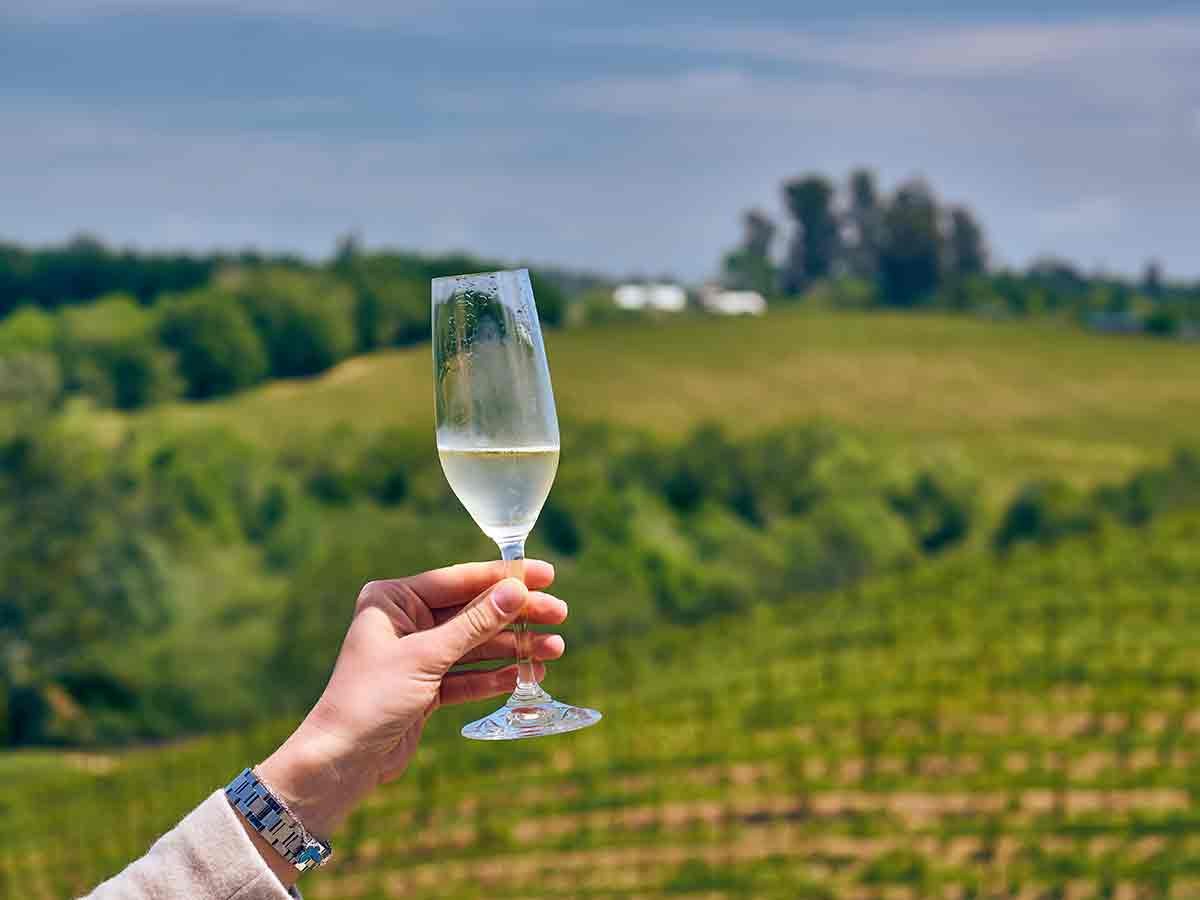
When a bottle of sparkling wine is ceremoniously popped, it carries with it not only effervescent joy but an intricate tapestry of grape varieties, production methods, and regional distinctions.
Much like a Napa Cabernet or Sauvignon Blanc, fine sparkling wines rely on specific grape varieties chosen for their acidity, flavor, and structure. In the famed Champagne region of France, tradition holds sway with three principal grapes: Chardonnay, Pinot Noir, and (less often) Pinot Meunier. These are blended or used in various combinations to yield the elegance and complexity for which Champagne is celebrated.
Around the globe, other grapes enter the scene. For example, in Spain’s Penedès region—home to Cava—the white grapes Macabeo, Xarel·lo, and Parellada dominate.
In California, winemakers often mirror the classic Champagne varieties to create distinct sparkling expressions. What these varietals share is vibrant acidity, crispness, and bright fruit flavors that allow the sparkle and secondary fermentation to shine.
The hallmark of sparkling wine is its carbon dioxide, generated during a second fermentation. But the method by which that second fermentation occurs makes a distinct difference in style:
Using the classic Champagne method, the base wine is bottled, and a mixture of yeast and sugar (tirage) is added. The second fermentation occurs inside the bottle. The wine then ages on its lees (spent yeast cells) for a period of time—the longer the aging, the finer the mousse and the more complex the character, often yielding lovely notes of brioche and toasted nuts. After riddling (inverting the bottle to collect lees in the neck) and disgorging (removing the lees), a dosage (wine + sugar) may be added before recorking.
In the Charmat method, the second fermentation happens in large, pressurized tanks. The wine is then filtered and bottled under pressure. This is a less costly method and tends to produce fresher, fruit-forward styles of sparkling wine with less time on lees.
The word Champagne is legally protected: only sparkling wine made in the Champagne region of France, using defined methods, may bear that name. Sparkling wines made elsewhere—whether from California, Spain, Italy, or another winegrowing country—may use the traditional method but must use terms like “sparkling wine” or region-specific designations such as Cava or Prosecco .
In Spain, Cava is made via the traditional method using indigenous grapes. In Italy, the much-loved Prosecco —made from the Glera grape—is typically produced via the tank method, making it lighter, fresher, and ideal for drinking young.
Within any region, sparkling wine styles range from Brut Nature (no added sugar after disgorgement) to Extra Brut , Brut , Extra Dry , Sec , and even sweeter categories. The amount of residual sugar and the length of aging both influence texture, flavor, and longevity.
For wine collectors and casual enthusiasts alike, understanding sparkling wine helps guide enjoyment, food pairing, and aging potential. A Napa-made méthode traditionnelle sparkling wine may benefit from cellar time and reveal brioche and toasty complexity, while a tank-method sparkler might be perfect for immediate pleasure and casual celebration.
Ultimately, the choice of grape, vineyard origin, and production method each tell a part of the story—one that fizzes to life with every glass.
Schramsberg Vineyards, celebrating its 60th anniversary in 2025, is located near the town of St. Helena in Napa County. Widely regarded as one of the top sparkling wine producers in the United States, Schramsberg crafts traditional-method sparkling wines from Chardonnay and Pinot Noir grapes. Sourcing from a diverse range of cool-climate vineyard sites across California’s North Coast, the winery produces a variety of styles—from the well-known Blanc de Blancs, Blanc de Noirs, and Brut Rosé to the prestigious J. Schram tier. Each bottle reflects decades of craftsmanship, making Schramsberg a cornerstone of American sparkling wine excellence. With aging programs that rival top Champagne houses and a commitment to quality that spans generations, Schramsberg offers wines of remarkable depth, elegance, and finesse—perfect for collectors and celebrations alike. Price: $44 • Available at www.schramsberg.com