
YOUR GUIDE TO DENVER
Renting
What to check before you sign a lease, and current apartments for rent in Denver.
 FEATURED PARTNER
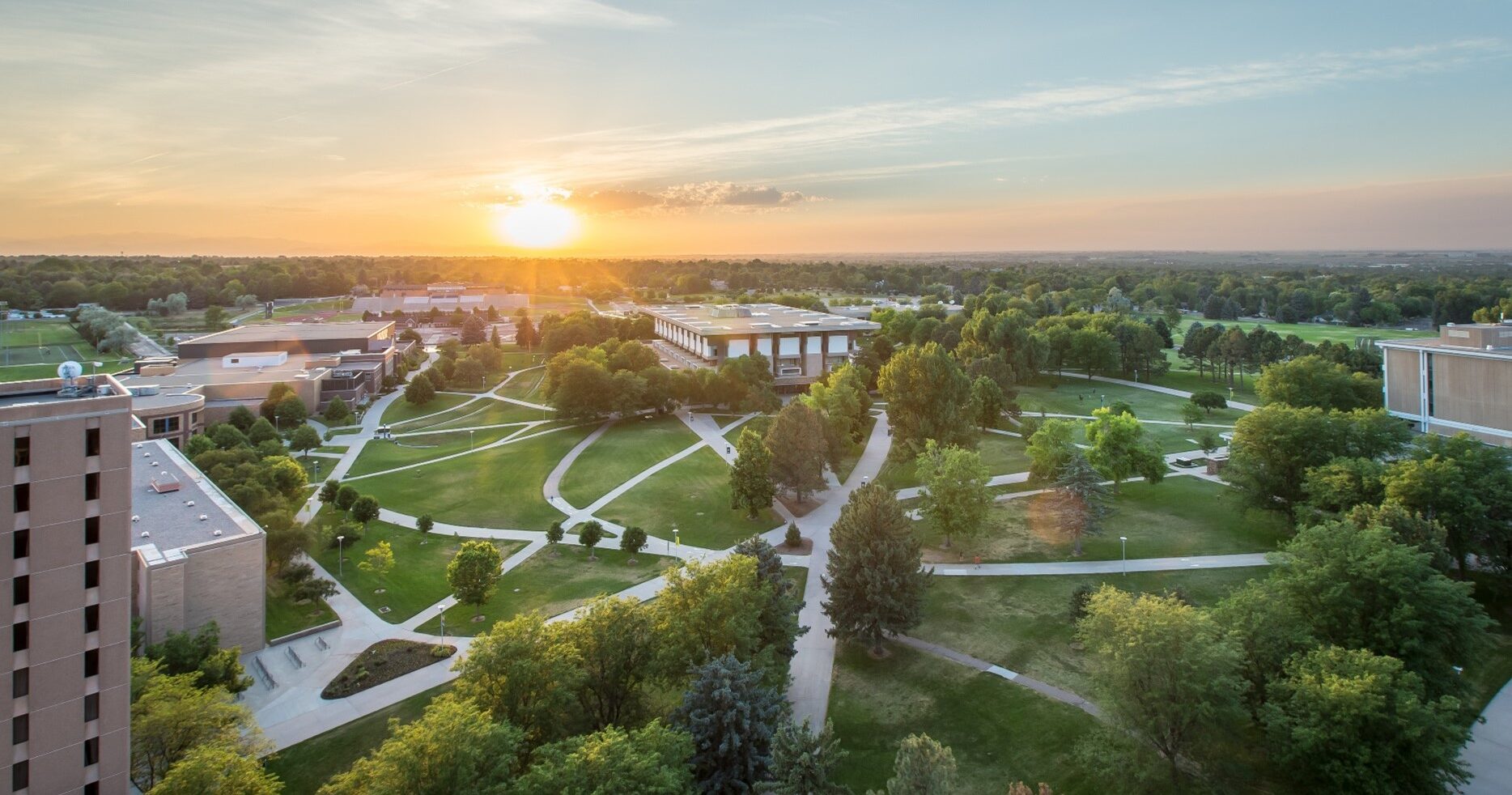
University of Northern Colorado
Greeley
At its Greeley campus and online, students can choose from more than 200 undergraduate, graduate, hybrid, and pre-professiona…
View More → FEATURED PARTNER
MSC Real Estate Advisors
Denver
Investment-minded buyers and property owners can work with a Greater Denver metro team experienced in deal analysis, construc…
View More → FEATURED PARTNER
CeDAR - Center for Dependency Addiction & Rehabilitation
Aurora
Residential treatment begins with assessment and detox before patients move into a structured recovery program on the Aurora …
View More → FEATURED PARTNER
Argo Mill & Tunnel Tour
Idaho Springs
Inside Colorado Gold Country, visitors can step into a historic Idaho Springs mill that stands more than 110 feet tall and is…
View More →Renting in Denver should be more straightforward than buying, but it still pays to know what you're doing before you sign anything. Here's what to check.
Know your budget, including the extras
Common guidance says to spend no more than 30% of your gross income on rent — that's a guideline, not a rule, and it usually doesn't include utilities, parking, pet fees, or renters insurance. Before you fall for an apartment, add up what the actual monthly cost will be once those extras are in, not just the advertised rent.
Read the lease before you sign, not after
A lease is a binding legal document, and the time to ask questions is before you sign it, not after you've moved in and found something you don't like. Check the lease term, what happens if you need to break it early, who's responsible for repairs, whether rent can increase at renewal and by how much, and exactly what the security deposit covers and when you'll get it back.
Know what a security deposit actually covers
Security deposits exist to cover damage beyond normal wear and tear — not routine cleaning or fading paint. Document the unit's condition with photos and video on move-in day, before you bring in a single box, and keep a copy for yourself. It's the single easiest way to protect your deposit when you move out.
Ask about maintenance before you need it
Ask how maintenance requests get handled and how fast issues actually get fixed — a broken heater in January isn't something you want to find out is a three-week wait for. A good property manager or landlord will have a clear process; if they're vague about it during your tour, take that as useful information in itself.
Apartment community vs. independent landlord
Larger apartment communities usually have a dedicated leasing office, standardized applications, and a maintenance team on staff — convenient, but often less flexible on things like move-in dates or lease terms. An independent landlord or smaller property may be more flexible, but it's worth checking reviews and, if possible, talking to a current tenant before you commit. Either way, browsing active apartments for rent in Denver is a good way to compare what's actually available right now.
Understand your rights as a tenant
Tenant protections vary by state and sometimes by city, covering things like how much notice a landlord must give before entering, how long they have to return your deposit, and what counts as a valid reason for eviction. It's worth a few minutes to look up the specific rules that apply in Denver before you sign anything, so you know where you stand if something goes wrong later.
When you're ready to look
Browse current apartments for rent in Denver, or reach out to a local leasing office or real estate agent who handles rentals — many do, in addition to home sales, and can point you toward availability that isn't posted publicly yet.
Real Estate Agents & Apartment Communities in Denver
Agents and leasing offices active on Guide to Denver.