
Merlot: The Flavor Thread That Ties Together Napa Valley's Cold-Weather Cooking Page 1 of 2
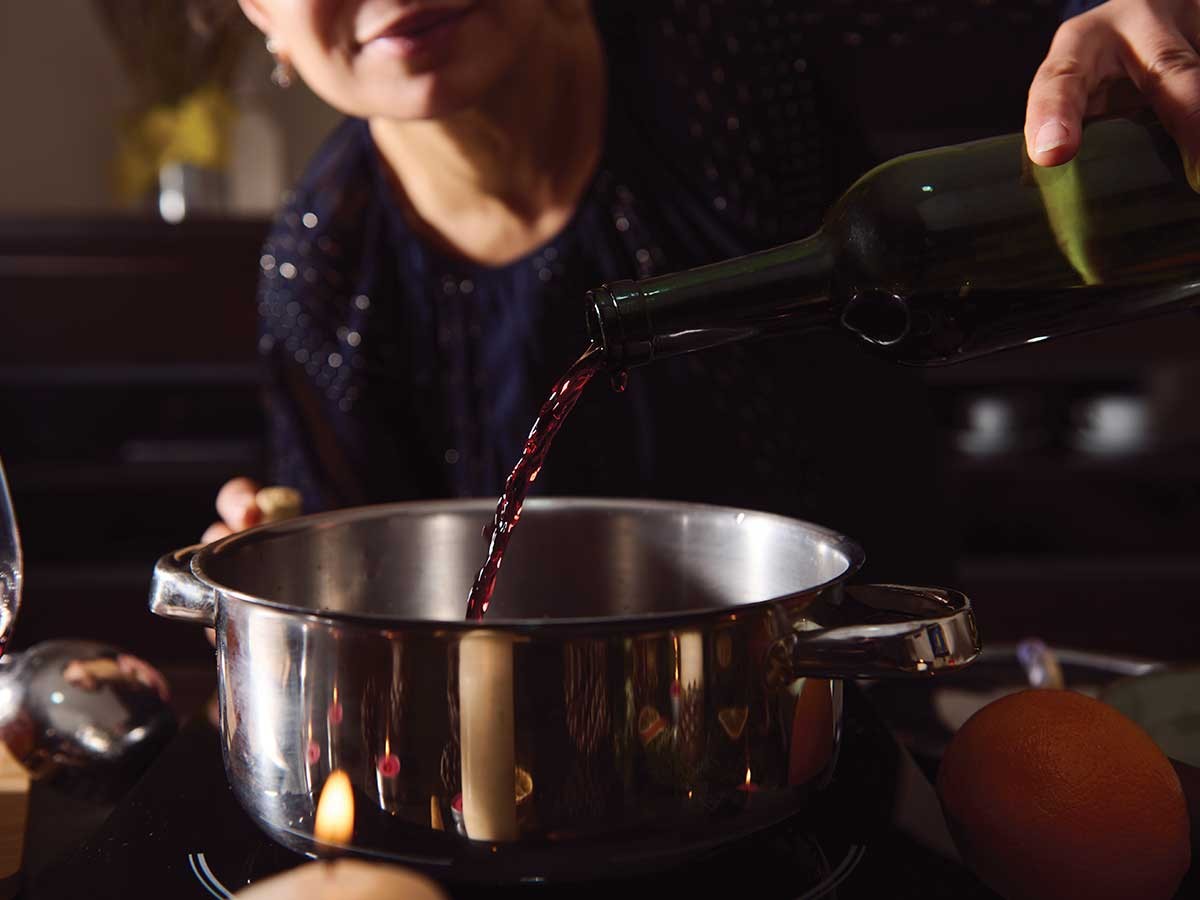
The bottle opens with a low glug. Merlot hits the pan with a subtle hiss. Dark fruit warms over flame, mingling with rosemary and softened shallots. Steam rises. The sauce takes on a glossy sheen, shifting from ruby to garnet as it simmers .
Merlot is more than something to sip. It’s a key ingredient in the kitchen—especially in the kinds of meals that restore us this time of year. In reductions and glazes, braises and marinades, it adds richness. Its fruit brings warmth, its acidity adds lift, and the dish gains structure.
Merlot is often praised for its softness, but in cooking, its strength lies in how well it complements other ingredients. Notes of plum, dark cherry, and soft berry meet garlic, herbs, and the savory depth of roasted meats and vegetables. Cocoa, bay, or dried sage sometimes rise in the background as the sauce reduces, adding nuance without distraction.
It’s the thread that runs through savory, sweet, and herbal elements. It ties the sear at the bottom of the pan to the sauce that follows. It gives shape to a marinade and depth to a reduction.
Merlot adds more than flavor. It brings cohesion and balance.
With Merlot, the appeal isn’t immediate sharpness or sweetness. It arrives in layers. The first impression is dark fruit, but what follows is shape. The wine spreads across the tongue rather than hitting one spot, giving the palate time to register what’s happening.
The tannins read as smooth and rounded, offering just enough grip to hold richer flavors in place. Acidity follows close behind, lifting the finish and keeping the wine from feeling heavy—especially alongside food that’s been slowly cooked. The effect is balance rather than contrast.
As Merlot warms in the glass or reduces in the pan, alcohol carries aroma forward, then steps back. What remains is concentration. Fruit deepens. Savory notes become more pronounced. The palate registers warmth, depth, and clarity without fatigue.
Merlot has staying power. It holds its footing alongside food, never crowding the plate or falling away. Texture does the work here, keeping the palate clear and the wine enjoyable as the meal continues.
That sense of proportion is what makes Merlot work so well in both the glass and the pan. It’s not about power. It’s about how each element lands, how long it stays, and how cleanly it leaves the palate ready for the next bite.
Deglazing: After browning meat or vegetables, a pour of Merlot releases what’s left in the pan. The wine lifts it, concentrates it, and builds the base of the sauce. Let it reduce until the bubbles slow, then finish with butter or broth.
Braising: Merlot pairs well with garlic, onion, and herbs. A few cups in a Dutch oven with a roast or stew meat turn into a glossy, ruby-colored braise with warmth in every bite.
Marinades: For meats with natural richness—like beef, lamb, or duck—Merlot works as both tenderizer and flavor base. Mixed with olive oil, herbs, and pepper, it leaves behind subtle fruit and spice once grilled or seared.
Reductions: Simmered with shallots, rosemary, and a splash of vinegar, Merlot transforms into a sauce that’s bold without being heavy. It’s ideal for drizzling over pork, roasted carrots, or anything with caramelized edges.
Cook with a Merlot you’d gladly sip. When I’m choosing a bottle for the kitchen, I look for balance first. Fruit-forward is helpful, but not sweet. Oak is fine, but restrained. I also pay attention to alcohol levels—once a wine climbs past 14.5 percent, it can turn heavy as it reduces.
A Merlot that tastes clean and composed on its own will usually cook beautifully. If you’re buying one bottle to do both jobs, pour a small glass first. If you like it at the table, you’ll like what it does in the pan. Moderate acidity and good structure are what matter most, bringing clarity and shape to the dish as it cooks.