Behind the Vine: Tracing Merlot's Journey from Bordeaux Blending Grape to Napa Star Page 1 of 2
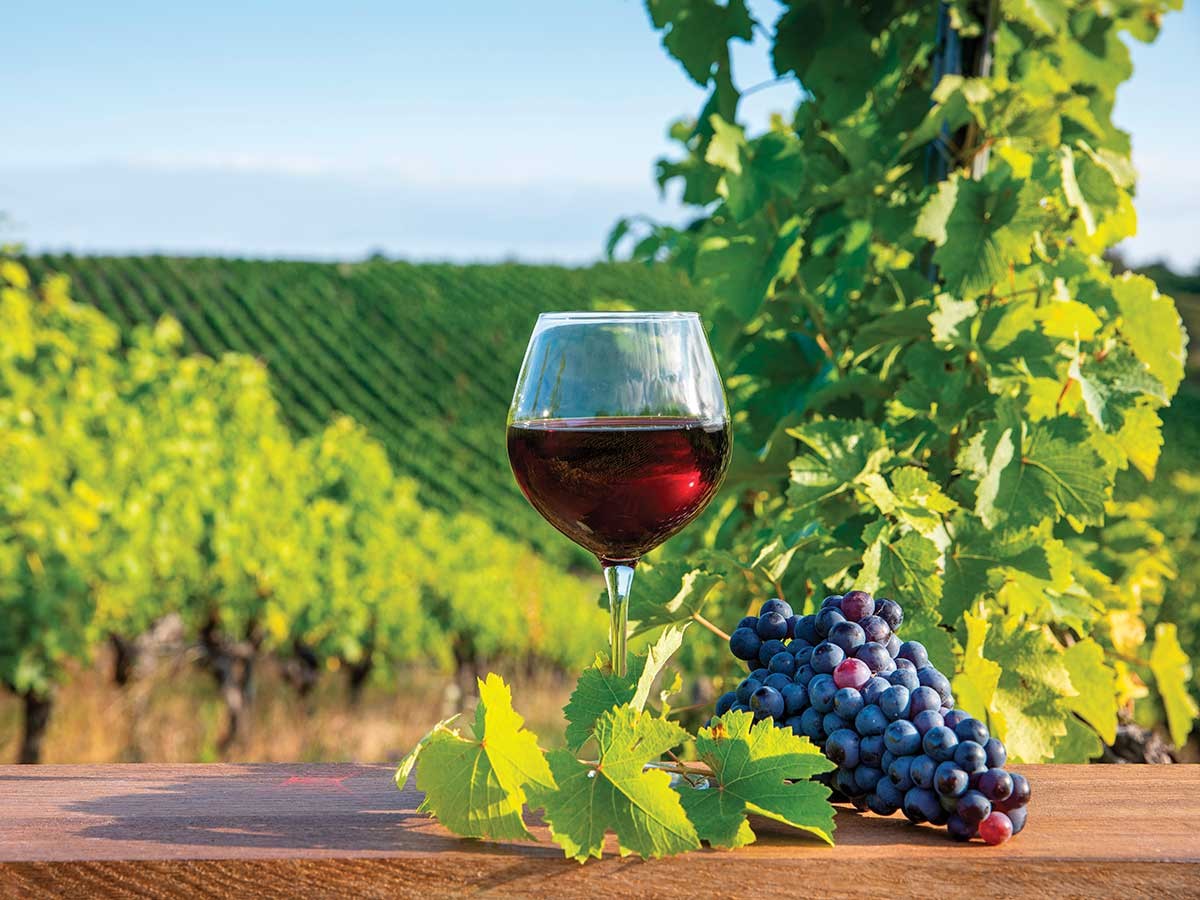
When wine lovers speak of Napa Valley, Cabernet Sauvignon often steals the spotlight. But Merlot—its softer, silkier counterpart—has long played a vital role in shaping the region’s vinous identity. With a reputation for lush texture, elegant fruit, and blending versatility, Merlot continues to evolve in Napa, offering both depth and distinction on its own and as part of celebrated blends.
Merlot originated in Bordeaux, where it is one of the primary grapes used in the world-famous Right Bank blends of Saint-Émilion and Pomerol. Its name is thought to derive from the French word merle (blackbird), a nod to the grape’s deep blue-black color. Brought to California in the mid-19th century, Merlot was initially used as a blending grape, appreciated for its ability to soften more structured varietals like Cabernet Sauvignon.
Over time, Napa vintners began crafting Merlot as a standalone varietal, drawn to its plush mouthfeel, ripe fruit character, and early accessibility. Despite a dip in popularity in the early 2000s—fueled more by pop culture than quality—Merlot has quietly resurged, especially in Napa, where producers are embracing its potential with renewed focus.
Napa Merlot is characterized by its expressive fruit—think ripe plum, black cherry, raspberry, and cocoa—balanced by moderate tannins and a velvety, rounded texture. Depending on vineyard location and winemaking style, it can range from soft and supple to dense and age-worthy, sometimes displaying notes of sage, graphite, espresso, or even tobacco. Cooler pockets within the valley, such as Carneros and Coombsville, produce Merlots with vibrant acidity and refined structure, while warmer regions yield richer, more opulent styles.
Merlot buds and ripens earlier than Cabernet Sauvignon, making it well-suited to slightly cooler sites. It thrives in Napa’s gravelly, loamy, and clay-based soils—especially those that encourage deep root growth and control vine vigor. In the cellar, Merlot often sees time in French oak barrels, which enhance its spice and texture while preserving the grape’s supple charm.
Its blending ability is renowned: in Bordeaux-style blends, Merlot lends softness, approachability, and aromatic lift. In Napa, many winemakers blend small amounts into Cabernet Sauvignon for added complexity—or, conversely, use Cabernet and other varietals to bring structure to a Merlot base.
Today, Napa Valley produces approximately 8,000–10,000 tons annually, representing roughly 5–7% of Napa Valley’s red wine grape crush, according to recent industry reports. While far less than Cabernet, Merlot remains a staple in the cellars of many premium wineries.
Producers like Duckhorn, Frog’s Leap, and Scalon Cellars continue to champion the varietal, crafting Merlots that stand confidently beside their Cabernet counterparts. Whether bottled solo or blended, Napa Merlot exemplifies balance—power without aggression, richness without excess.
In a region known for bold reds, Merlot offers a different kind of luxury: elegance. It rewards patience but doesn’t require it. And for those seeking a wine that captures both the nuance of Napa terroir and the timeless appeal of Bordeaux tradition, Merlot makes a compelling case—vintage after vintage.
Few names are as synonymous with California Merlot as Duckhorn. For over four decades, the winery has championed the varietal, elevating it to new levels of prestige. Their Napa Valley Merlot is a polished, well-structured red that blends fruit from several acclaimed vineyards across the valley, each contributing to its layered complexity. Lush flavors of dark cherry, plum, and blackberry mingle with notes of cocoa, dried herbs, and a hint of oak spice. Velvety tannins frame the wine, leading to a long, elegant finish that is both powerful and refined. Duckhorn’s consistency with this bottling underscores its mastery of the grape and its commitment to crafting balanced, expressive wines. Ideal for both immediate enjoyment and short-term cellaring, this Merlot is a staple for those who appreciate Napa’s classic red wine profile with a softer, more supple edge. Price: $58 • Available at www.duckhorn.com