Is Napa Dead? Why the Valley's Wine Industry Is Adapting, Not Disappearing Page 1 of 3
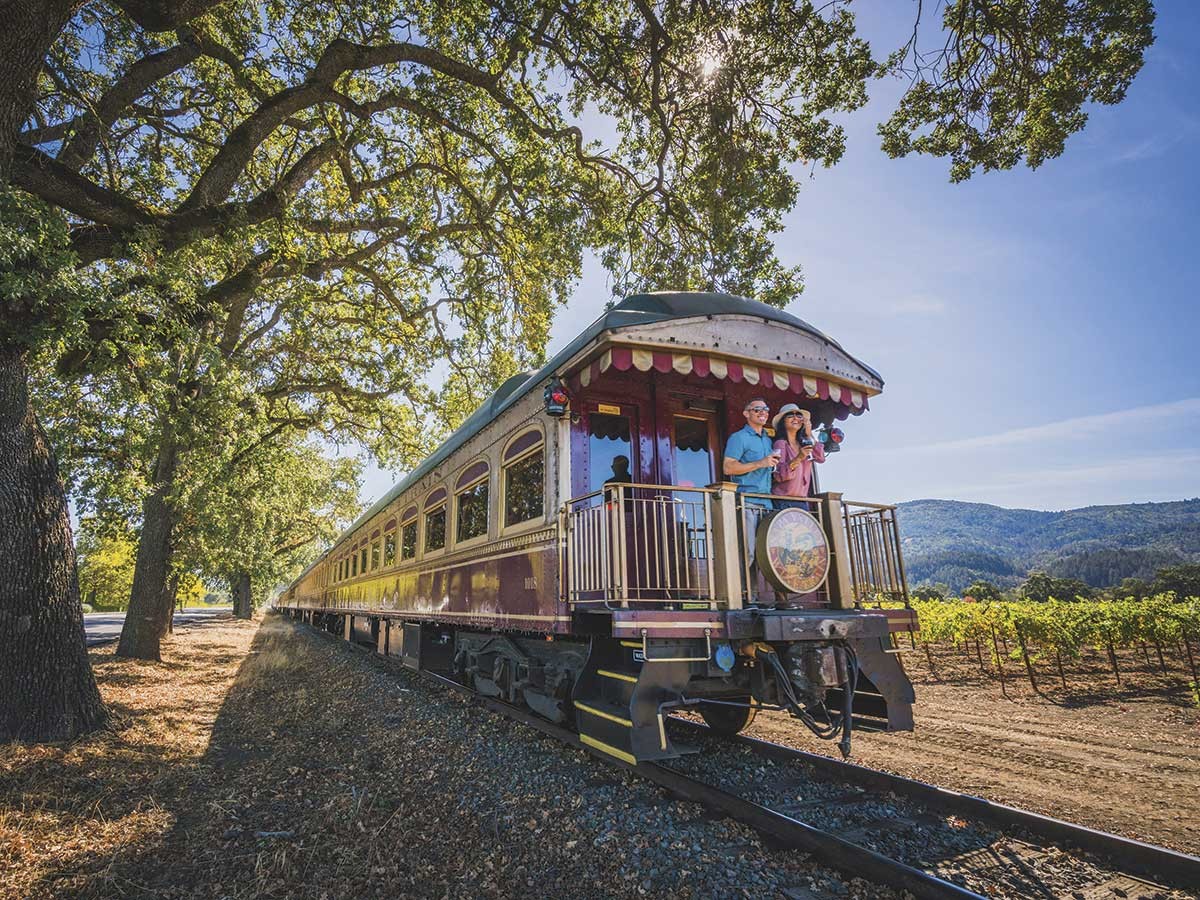
The obituary has been written—at least in headlines. Global wine consumption is at a sixty-year low. Vineyard values in once-unshakable regions, including Napa Valley, have slipped from their pandemic peaks. Fires cast smoke across California skies with unnerving regularity. On paper, Napa looks vulnerable, even passé. And so, the question circulates in trade publications and cocktail-party conversations: Is Napa dead?
Like Bordeaux, Burgundy, or Champagne—regions that have weathered centuries of shifting tastes and market crises—Napa’s story is not so easily reduced. To walk its vineyards, dine in its restaurants, or step into its tasting rooms is to realize the opposite: Napa is not dead, but alive, adapting, and perhaps more relevant than ever.
Photo by Michael Cuffe
The skeptics have plenty of material to work with. Globally, wine is in retreat. According to the International Organisation of Vine and Wine, the world’s vineyards shrank again in 2024, slipping to about 17.5 million acres—the smallest footprint in decades. Global wine production dropped to roughly 6 billion gallons, down nearly five percent from the year before, while worldwide consumption slid to about 5.6 billion gallons. In other words, the decline is global, not regional. In the United States, per-capita wine consumption has softened, particularly among younger drinkers who increasingly reach for craft cocktails, hard seltzers, or alcohol-free alternatives.
Some of the slowdown in wine sales and visitation can be traced to forces well beyond Napa itself. The pandemic reshaped travel patterns and consumer behavior in lasting ways—from smaller group travel to shorter booking windows. Added to this are broader headwinds: economic uncertainty, evolving consumer habits, and even the national political climate, all of which influence discretionary travel and luxury spending. For Napa, that sometimes means fewer visitors booking hotel rooms and tastings or shipping cases home—not due to any lack of appeal, but because external pressures shape how people choose to spend.
Cynics point to a spate of recent closures as proof that Napa’s golden age is fading. Newton Vineyard, once a pioneering estate owned by LVMH, announced in 2025 that it would shut down permanently after years of struggling to recover from wildfire damage. Around the same time, Silver Oak’s Twomey brand closed its Calistoga tasting room after more than two decades, citing shrinking visitation and economic headwinds. Smaller players have also bowed out: Brian Arden Wines sold its Calistoga property to Aubert Wines, while downtown tasting rooms like Brendel and Tarpon Cellars shuttered after just a few years in business.
Meanwhile, land prices—long a source of wealth and security for vineyard owners—have begun to show cracks. The Financial Times reported in 2024 that vineyard values from Bordeaux to Napa were “tumbling” as investors recalibrated expectations for returns.
And then there is climate. Rising temperatures and unpredictable weather continue to exert pressure. Wildfires—now a recurring threat in California—are one symptom. The Glass Fire and LNU Lightning Complex of 2020 scorched thousands of acres in Napa County, causing millions in agricultural losses and leaving a lasting psychological toll on residents and growers. Smoke taint has become a near-annual worry, threatening grape quality before harvest.
Beyond fire damage, climate change has introduced a more insidious challenge. In Napa, the growing season now starts nearly a month earlier than it did in the late 1950s, and the final ripening weeks are more than three degrees hotter. That shift compresses vineyard work, accelerates sugar accumulation, and jeopardizes the delicate balance of acidity and flavor that defines great wine. Nighttime temperatures have also climbed, giving vines less opportunity to recover from daytime heat.
The result? Red grapes can lose color and aromatic nuance; whites can become flabby rather than fresh. For a region built on Cabernet Sauvignon’s power and longevity, these shifts raise an uncomfortable question: How long can Napa’s signature style withstand the pressure of a warming climate?